
IELTS Reading Passage 1 & 2: Latihan Soal dan Strategi
IELTS Reading Passage 1 dan Passage 2 adalah dua bagian pertama dari tes Reading yang tingkat kesulitannya masih terjangkau. Passage 1 biasanya berupa teks deskriptif atau naratif tentang topik umum, sedangkan Passage 2 mulai memperkenalkan argumen atau analisis yang lebih kompleks. Kedua passage ini adalah tempat terbaik untuk mengamankan skor sebelum menghadapi Passage 3 yang jauh lebih sulit.
Daftar Isi
Kalau Kamu menargetkan band 7.0 (minimal 30 benar dari 40), usahakan menjawab 22-24 benar dari 26 soal di Passage 1 dan 2. Artikel ini menyediakan dua passage latihan original dengan jenis soal yang merepresentasikan format IELTS Academic, lengkap dengan jawaban dan penjelasan strategi.
Passage 1: The Rise of Urban Farming
Waktu yang Disarankan: 15 menit
Baca passage di bawah ini, lalu jawab Questions 1-13.
A Over the past two decades, cities around the world have witnessed a remarkable transformation in how food is produced and consumed. Urban farming, once dismissed as a niche hobby for environmentally conscious residents, has evolved into a significant movement that addresses food security, environmental sustainability, and community wellbeing in densely populated areas. From rooftop gardens in Singapore to vertical farms in the Netherlands, the practice of growing food within city limits has gained both popular support and institutional backing.
B The concept of growing food in cities is not entirely new. During the Second World War, governments in the United States and Britain actively encouraged citizens to plant “victory gardens” in their backyards, on public land, and even on rooftops to supplement food supplies disrupted by the conflict. At their peak, these gardens produced an estimated forty percent of all vegetables consumed in the United States. However, after the war ended, industrialised agriculture expanded rapidly and urban food production declined to near insignificance.
C The modern revival of urban farming began in the early 2000s, driven by several converging factors. Growing awareness of the environmental costs of transporting food across long distances — sometimes referred to as “food miles” — prompted consumers to seek locally produced alternatives. Simultaneously, concerns about food safety following several high-profile contamination incidents led many people to prefer food whose origins they could verify personally. The economic recession of 2008 also played a role, as rising food prices motivated lower-income families to explore self-sufficiency.
D Today, urban farming takes many forms. Community gardens, where groups of residents share a plot of land to grow vegetables and herbs, remain the most common model. These gardens serve not only as food sources but also as social spaces where neighbours interact and build connections. Research conducted by the University of Pennsylvania in 2019 found that neighbourhoods with active community gardens reported twenty percent lower crime rates compared to similar areas without them, suggesting benefits that extend well beyond food production.
E At the more technologically advanced end of the spectrum, vertical farming has attracted significant investment. Vertical farms use stacked layers in controlled indoor environments to grow crops year-round without soil, relying instead on hydroponic or aeroponic systems. These facilities use up to ninety-five percent less water than traditional farming and can produce yields per square metre that are several hundred times greater. However, the high energy costs associated with artificial lighting remain a major challenge. A study by researchers at Cornell University estimated that the electricity required to run indoor lighting for a single vertical farm could power approximately one thousand households.
F Despite these challenges, governments in several countries have begun to integrate urban farming into their planning policies. Singapore, a nation that imports over ninety percent of its food, has set a target of producing thirty percent of its nutritional needs domestically by 2030 through a programme called “30 by 30.” The city-state has allocated funding for rooftop farms, vertical farms, and coastal fish farms as part of this initiative. Similarly, cities like Paris, Toronto, and Melbourne have introduced regulations that require new buildings above a certain size to include green roofs or food-growing spaces.
G Critics of urban farming argue that it cannot realistically replace industrial agriculture at scale. Professor Michael Roberts of Imperial College London has noted that even with advanced technology, urban farms are best suited for leafy greens, herbs, and certain fruits, but would struggle to produce staple crops like wheat, rice, or corn in economically viable quantities. Others point out that the focus on urban farming may divert attention and resources from more impactful interventions, such as reducing food waste, which accounts for roughly one-third of all food produced globally.
H Nevertheless, proponents argue that the value of urban farming should not be measured solely in terms of caloric output. Dr. Sarah Chen of the National University of Singapore has described urban farms as “living classrooms” that reconnect city dwellers with the food system and foster environmental awareness. Several studies have also documented mental health benefits associated with gardening activities, including reduced stress levels and improved mood. As cities continue to grow and the global population approaches ten billion by 2050, the role of urban farming in building more resilient food systems is likely to expand, even if it never fully replaces the rural farm.
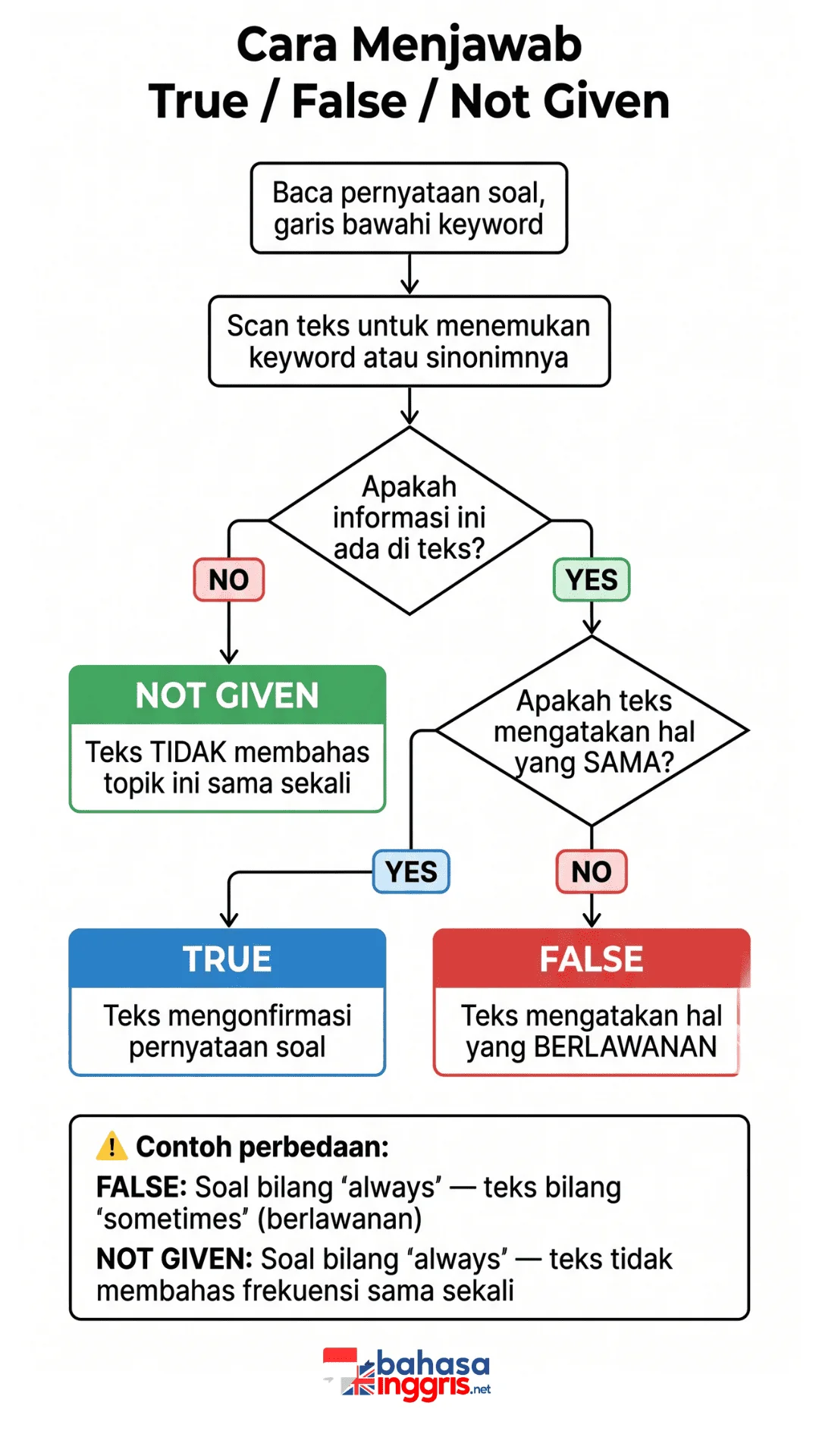
Questions 1-6: Do the following statements agree with the information given in the passage?
Write TRUE, FALSE, or NOT GIVEN.
1. Urban farming was always considered a serious approach to food production.
2. Victory gardens during World War II produced nearly half of all vegetables consumed in the US.
3. The modern urban farming movement started primarily because of climate change concerns.
4. Community gardens have been shown to have a positive effect on neighbourhood safety.
5. Vertical farms use more water than traditional farming methods.
6. Singapore currently produces thirty percent of its own food.
Questions 7-10: Match the following statements with the correct paragraph (A-H).
7. A comparison between the energy consumption of vertical farms and households ………
8. A historical example of widespread urban food production during wartime ………
9. An argument that urban farming provides educational and psychological benefits ………
10. Economic factors that contributed to the resurgence of urban farming ………
Questions 11-13: Complete the sentences below. Write NO MORE THAN TWO WORDS from the passage for each answer.
11. The environmental impact of transporting food over long distances is commonly known as “___________.”
12. Vertical farms grow crops without soil using hydroponic or ___________ systems.
13. According to critics, urban farms work best for leafy greens, herbs, and certain ___________ rather than staple crops.
Klik untuk melihat jawaban Passage 1
1. FALSE (passage says it was “once dismissed as a niche hobby”)
2. TRUE (“produced an estimated forty percent” — “nearly half” is close enough but the passage says forty percent, which is nearly half)
3. FALSE (it was driven by food miles awareness, food safety concerns, and economic recession — not primarily climate change)
4. TRUE (“neighbourhoods with active community gardens reported twenty percent lower crime rates”)
5. FALSE (vertical farms use “up to ninety-five percent less water”)
6. FALSE (Singapore “imports over ninety percent of its food” and has SET A TARGET of 30% — hasn’t achieved it yet)
7. E
8. B
9. H
10. C
11. food miles
12. aeroponic
13. fruits
Strategi Passage 1
Untuk True/False/Not Given: Soal 2 menjadi jebakan karena passage bilang “forty percent” dan soal bilang “nearly half.” 40% memang mendekati 50%, jadi ini TRUE. Tapi soal 6 berbeda: passage bilang Singapore “has set a target” (rencana masa depan), bukan sudah tercapai. Ini FALSE. Perhatikan tense dan kata kerja: “has set a target” ≠ “currently produces.”
Passage 2: The Science of Sleep Deprivation
Waktu yang Disarankan: 20 menit
Baca passage di bawah ini, lalu jawab Questions 14-26.
A Sleep, once considered a passive state of unconsciousness, is now understood to be an active and essential biological process. During sleep, the brain consolidates memories, repairs cellular damage, regulates hormones, and clears metabolic waste products that accumulate during waking hours. Despite this understanding, chronic sleep deprivation has become one of the most pervasive public health challenges of the twenty-first century. The World Health Organisation has described the current level of sleep loss across industrialised nations as a “silent epidemic.”
B The recommended amount of sleep for adults is between seven and nine hours per night, yet surveys consistently show that a significant proportion of the population falls short of this target. A 2022 study published in The Lancet found that approximately thirty-five percent of adults in developed countries regularly sleep fewer than six hours per night. The consequences of this shortfall are far-reaching and affect virtually every organ system in the body.
C One of the most immediate effects of sleep deprivation is impaired cognitive function. Research conducted by Professor David Dinges at the University of Pennsylvania demonstrated that individuals who slept only six hours per night for two weeks showed cognitive impairments equivalent to those who had been awake for forty-eight hours continuously. Crucially, the sleep-deprived subjects in the study were largely unaware of their declining performance, consistently rating their alertness as adequate even as their reaction times and decision-making abilities deteriorated significantly.
D The impact on physical health is equally alarming. Chronic sleep deprivation has been linked to increased risks of cardiovascular disease, type 2 diabetes, obesity, and weakened immune function. Dr. Matthew Walker, a neuroscientist at the University of California, Berkeley, has documented how even modest sleep restriction — sleeping six hours instead of eight for a single week — can alter the expression of over seven hundred genes, including those associated with immune response, inflammation, and tumour growth. Walker has described sleep as “the single most effective thing we can do to reset our brain and body health each day.”
E The relationship between sleep and mental health is bidirectional. While mental health conditions such as depression and anxiety frequently disrupt sleep patterns, sleep deprivation itself can trigger or worsen these conditions. A longitudinal study tracking over ten thousand adolescents found that those who consistently slept fewer than six hours per night were three times more likely to develop symptoms of depression within two years compared to peers who slept eight hours. This finding has led some researchers to argue that sleep intervention should be a front-line treatment for certain mental health conditions.
F The economic costs of sleep deprivation are substantial. A 2016 report by the RAND Corporation estimated that sleep deprivation costs the United States economy up to four hundred and eleven billion dollars annually through lost productivity, workplace accidents, and increased healthcare expenditure. Japan, the United Kingdom, Germany, and Canada all experienced proportionally significant losses. The report concluded that if individuals who currently sleep fewer than six hours began sleeping six to seven hours, it would add approximately two hundred and twenty-six billion dollars to the US economy.
G Despite growing awareness, societal attitudes toward sleep remain problematic. In many professional cultures, sleeping less is still associated with dedication and productivity, while prioritising sleep is sometimes perceived as laziness. The technology industry, in particular, has historically celebrated executives who claim to function on four or five hours of sleep. However, sleep scientists are increasingly pushing back against this narrative. Dr. Charles Czeisler of Harvard Medical School has compared the practice of working extended hours on insufficient sleep to “coming to work drunk” in terms of its effects on judgment and performance.
H Solutions to the sleep deprivation crisis require action at both individual and institutional levels. On an individual level, sleep hygiene practices — such as maintaining consistent sleep schedules, limiting screen exposure before bedtime, and creating dark, cool sleeping environments — have been shown to improve sleep quality. At the institutional level, some forward-thinking companies have introduced nap rooms, flexible working hours, and policies that discourage after-hours email communication. Several countries, including Japan and Spain, have experimented with later school start times for adolescents, with preliminary results showing improved academic performance and reduced absenteeism.
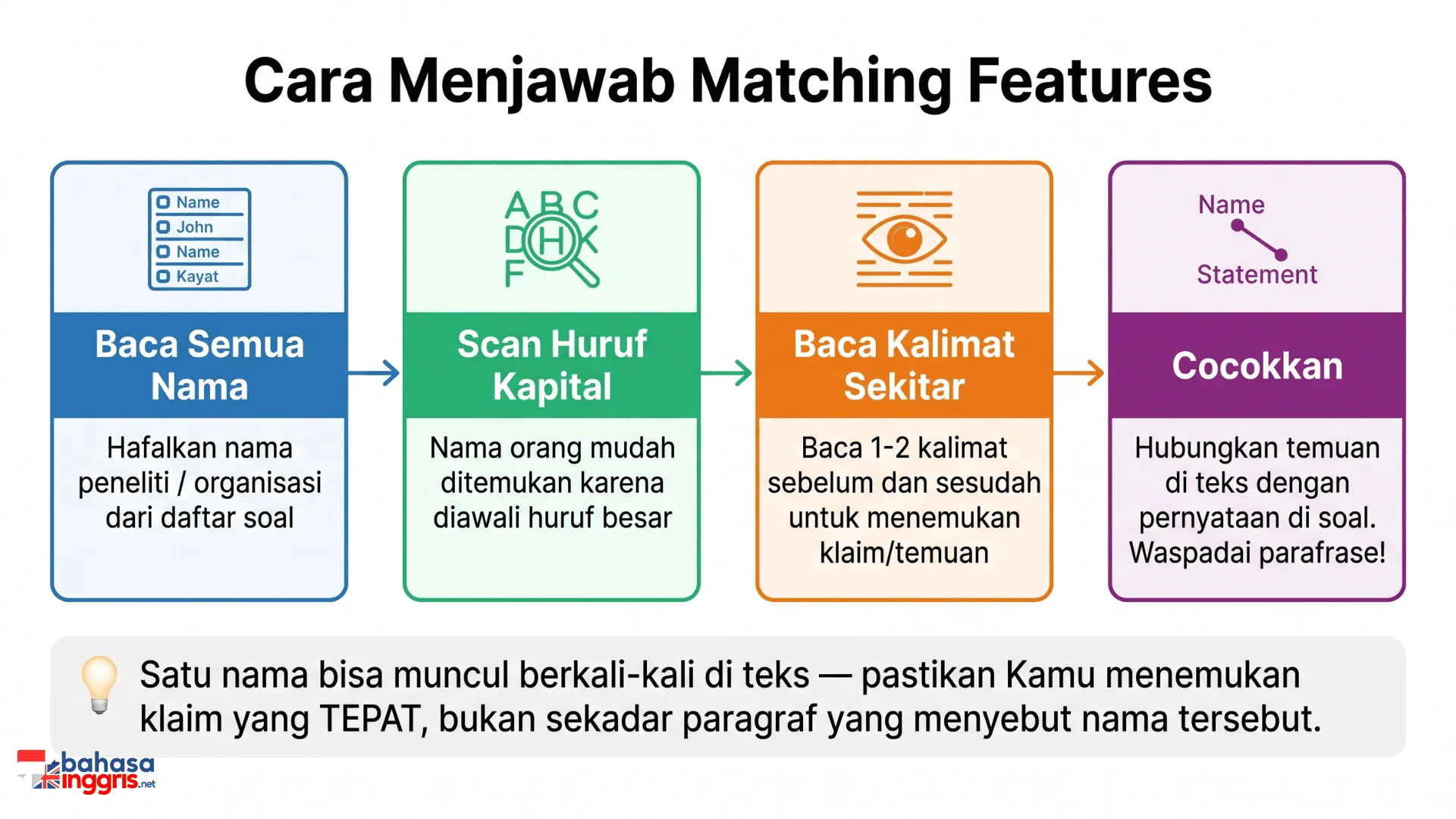
Questions 14-19: Match the following findings or claims with the correct researcher or organisation (A-F).
A. Professor David Dinges
B. Dr. Matthew Walker
C. RAND Corporation
D. Dr. Charles Czeisler
E. World Health Organisation
F. The Lancet
14. Called global sleep loss a “silent epidemic” ………
15. Found that approximately 35% of adults in developed countries sleep fewer than six hours ………
16. Showed that people with limited sleep often cannot accurately judge their own alertness ………
17. Documented how sleep restriction alters the expression of hundreds of genes ………
18. Compared working without enough sleep to working under the influence of alcohol ………
19. Estimated sleep deprivation costs the US economy hundreds of billions of dollars ………
Questions 20-23: Complete the summary below. Write NO MORE THAN TWO WORDS from the passage for each answer.
Sleep deprivation affects both the mind and the body. Cognitively, two weeks of sleeping only six hours a night produces impairments equal to being awake for (20) ___________ continuously. Physically, even one week of modest sleep loss can change the expression of over (21) ___________ genes. The relationship between sleep and mental health works in both directions: a study of adolescents found that those sleeping under six hours were (22) ___________ more likely to develop depression. Economically, the RAND Corporation estimated that if short sleepers extended their rest, it could add approximately (23) ___________ dollars to the US economy.
Questions 24-26: Choose the correct letter, A, B, C, or D.
24. What is the main purpose of Paragraph G?
A. To celebrate executives who sleep less
B. To explain why some professionals avoid sleep
C. To criticise cultural attitudes that devalue sleep
D. To describe the technology industry’s work culture
25. According to the passage, which of the following is an individual-level solution?
A. Introducing nap rooms at workplaces
B. Limiting screen time before bed
C. Changing school start times
D. Discouraging after-hours emails
26. The writer’s overall tone in the passage is
A. optimistic about quick solutions
B. neutral and purely descriptive
C. concerned but informative
D. critical of all modern lifestyles
Klik untuk melihat jawaban Passage 2
14. E (World Health Organisation)
15. F (The Lancet)
16. A (Professor David Dinges)
17. B (Dr. Matthew Walker)
18. D (Dr. Charles Czeisler)
19. C (RAND Corporation)
20. forty-eight hours
21. seven hundred
22. three times
23. 226 billion / two hundred and twenty-six billion
24. C (To criticise cultural attitudes that devalue sleep)
25. B (Limiting screen time before bed)
26. C (concerned but informative)
Strategi Passage 2
Untuk Matching Features (soal 14-19): Baca semua nama peneliti dulu. Lalu scan teks untuk nama-nama tersebut — biasanya nama orang sangat mudah ditemukan karena diawali huruf kapital. Setelah menemukan nama, baca kalimat di sekitarnya untuk mencocokkan dengan pernyataan di soal.
Untuk Summary Completion: Ringkasan biasanya mengikuti urutan teks asli. Temukan bagian teks yang diparafrase, lalu ambil kata yang tepat. Perhatikan bahwa jawaban harus persis dari teks, bukan parafrase.
(FAQ) Frequently Asked Questions
Berapa waktu ideal untuk Passage 1?
Waktu ideal untuk Passage 1 adalah 15-17 menit. Passage 1 adalah yang termudah, jadi selesaikan secepat mungkin agar Kamu punya lebih banyak waktu untuk Passage 3 yang lebih sulit. Jangan habiskan lebih dari 17 menit di Passage 1.
Apakah jawaban Reading selalu muncul berurutan di teks?
Untuk jenis soal Sentence Completion dan True/False/Not Given, jawaban biasanya muncul berurutan sesuai teks. Tapi untuk Matching Headings dan Matching Information, jawaban bisa tersebar di seluruh passage. Kenali jenis soal dulu untuk menentukan strategi pencarian.
Penutup
Passage 1 dan 2 adalah fondasi skor Reading Kamu. Fokus utamanya: kuasai True/False/Not Given (perhatikan perbedaan FALSE vs NOT GIVEN), latih scanning untuk Matching Features, dan patuhi word limit untuk Completion soal. Setelah konsisten menjawab 22+ benar dari 26 soal di dua passage ini, lanjutkan ke Passage 3.
Untuk panduan strategi keseluruhan, baca Panduan IELTS Reading. Untuk skill lainnya: Listening, Speaking Part 1, Part 2, Part 3, Writing Task 1, Writing Task 2. Kalau Kamu butuh bimbingan intensif dengan tutor, cek kelas IELTS online di Bahasa Inggris Net.

Panduan IELTS Reading: Teknik Skimming, Scanning & Strategi

IELTS Reading Passage 3: Latihan Soal Sulit dan Strategi

